Selecting the Perfect Mattress: Your Complete Guide to Sleeping Better
Picking the best mattress is a critical step toward boosting sleep quality. Several factors affect this decision, including sleep position, mattress type, and firmness level. Recognizing individual needs can lead to greater comfort and support. Yet, a great number of people overlook essential features like durability and cooling properties. As buyers weigh their options, they may find themselves questioning the best path forward. What should they consider next to guarantee a restful night?
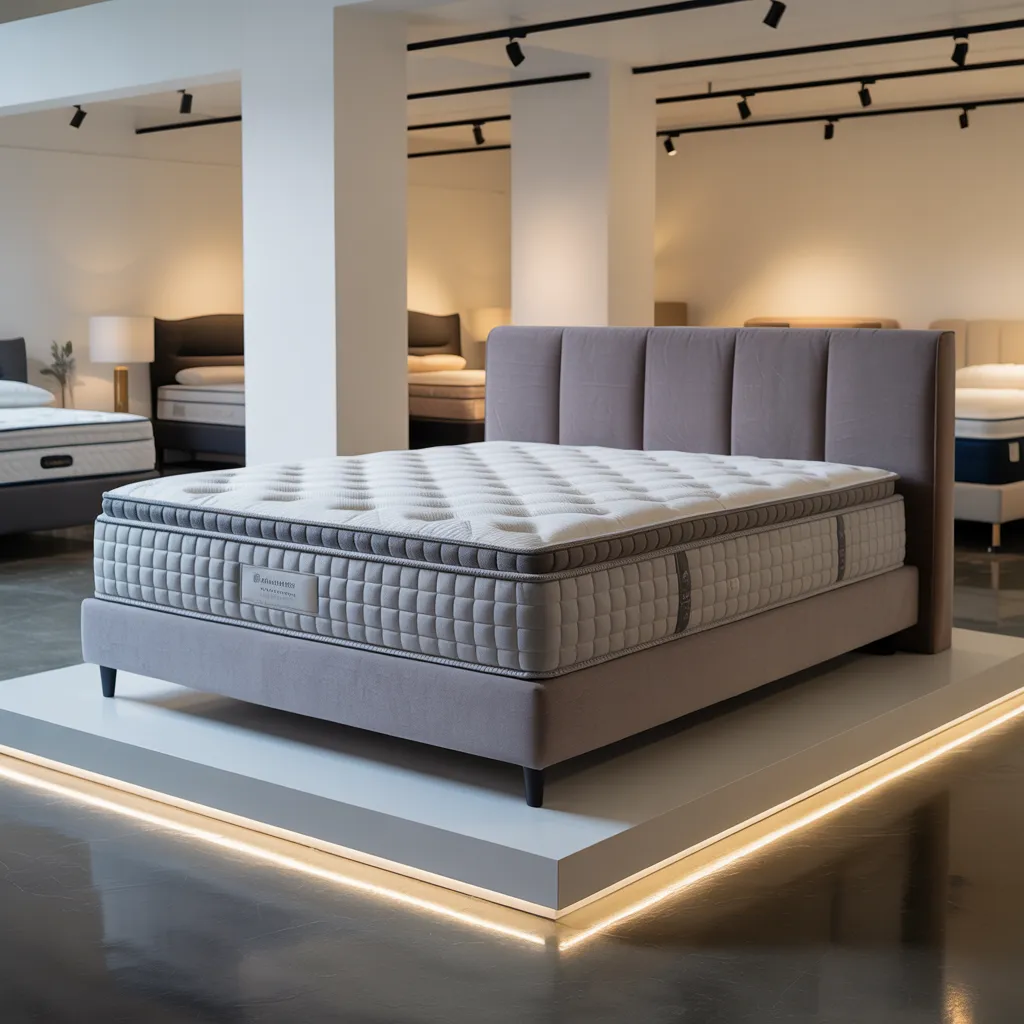
Identify Your Sleep Position and Preferences First
When choosing a mattress, understanding sleep position and preferences is essential for ideal comfort and support. Various positions such as back, side, or stomach sleeping each necessitate distinct levels of support to preserve spinal alignment. To illustrate, back sleepers benefit from a medium-firm mattress that supports the lower back while allowing some contouring. Side sleepers often need a softer surface to cushion the shoulders and hips, reducing pressure points. On the other hand, stomach sleepers typically require a firmer mattress to prevent excessive sinking, which can lead to misalignment.
In addition, personal factors, such as firmness preference, temperature regulation, and mattress material, play a significant role in overall comfort. Identifying these factors at the beginning of the mattress selection process can lead to enhanced sleep quality and greater comfort. By thoughtfully considering specific sleep positions and individual preferences, individuals can arrive at informed decisions that elevate their complete sleep experience.
The Benefits of Different Mattress Types: Foam, Innerspring, and Hybrid
Understanding the benefits of various mattress types—foam, innerspring, and hybrid—can significantly impact a purchaser's choice. Memory foam mattresses, in particular, deliver outstanding contouring and pressure relief, making them perfect for individuals with joint pain or who prefer a softer feel. They additionally reduce motion transfer, benefiting couples sharing a bed.
Traditional innerspring mattresses, in comparison, provide a traditional sensation with supportive responsiveness and good airflow, which can help maintain a cool sleeping temperature. They are typically cost-effective and can be found in a wide selection of firmness options, catering to various sleep preferences.
Hybrid mattresses combine elements of both foam and innerspring designs, providing the benefits of each design. They commonly incorporate a foam top layer for cushioning, backed by coils for added firmness, making them suitable for various sleep styles. Each type presents unique advantages, permitting customers to decide based on their personal sleep needs and preferences.
How Firm Should Your Mattress Be for Your Sleep Style?
Selecting the correct mattress firmness is important for enhancing sleep quality, as it varies markedly between distinct sleep styles. Those who sleep on their back usually benefit from a firmer surface to support spinal alignment, while those who sleep on their side frequently find relief with a gentler mattress that relieves stress on the shoulders and hips. Understanding these needs can help individuals choose a mattress that improves their comfort and quality of sleep.
Back Sleepers' Firmness Needs
How crucial is the proper mattress firmness rating for back sleepers? The optimal firmness level typically ranges from medium to medium-firm. This spectrum delivers essential support for the natural curvature of the spine, ensuring proper positioning throughout the night. A mattress that is too soft can lead to the lower back to dip, causing discomfort and potential pain. Conversely, a mattress that is excessively firm can create pressure points, especially in the shoulders and hips. Back sleepers thrive with a surface that balances comfort and support, allowing them to sink just enough to ease tension while sustaining spinal alignment. Ultimately, picking a mattress within this firmness range can greatly enhance sleep quality and overall health for back sleepers.
Side Sleeper Comfort Rating
What firmness level works best for side sleepers? Generally, medium to medium-soft mattresses are recommended for those who sleep on their sides. This firmness level offers sufficient support while accommodating the body's natural curves, especially at the shoulders and hips. A mattress that is too firm may cause pressure points, leading to discomfort and poor sleep quality. In contrast, an overly soft mattress may fail to provide proper spinal alignment. Top choices frequently include materials such as memory foam or latex, which conform to the body's shape and encourage proper alignment. At the end of the day, side sleepers should factor in their weight and personal needs to find a mattress that maximizes comfort and support during the night.
Important Features for Mattress Support, Durability, and Cooling
When picking out a mattress, understanding support types is essential for maintaining proper body alignment and comfort while sleeping. Moreover, cooling technologies play a significant role in preserving an ideal sleep temperature during the night. Such qualities improve not only the longevity of the mattress but also the overall quality of sleep.

Mattress Support Options
Selecting the best mattress support type plays a major role in overall sleep quality and comfort. Various support systems exist, including innerspring, memory foam, and hybrid options. Innerspring mattresses use coils to deliver bounce and support, making them a popular choice for those who prefer a traditional feel. Memory foam provides adaptive contouring support, adapting to body shape and relieving pressure points, which is ideal for those who sleep on their sides. Hybrid mattresses merge the features of both types, delivering a well-rounded balance of support and comfort. Longevity can vary between these support types; innerspring designs may deteriorate sooner, while memory foam tends to have a longer lifespan when properly maintained. Ultimately, the decision of mattress support type should correspond to your unique sleep habits and body requirements for maximum rest.
An Overview of Cooling Technologies
As sleep quality can be greatly affected by temperature regulation, knowing about cooling technologies is crucial when selecting a mattress. Such technologies are developed to disperse heat and preserve a comfortable resting environment. Common features include gel-infused memory foam, which absorbs heat while providing support, and breathable materials like latex and open-cell foams that enhance airflow. Moreover, select mattresses feature phase-change materials that effectively manage temperature by taking in or releasing heat when necessary. Adjustable airbeds often allow users to customize firmness and cooling levels for personalized comfort. In the end, choosing a mattress with efficient cooling technologies can significantly boost sleep quality, guaranteeing a peaceful night and better overall well-being.
Planning Your Mattress Budget Carefully
Determining a price range for a mattress is a critical aspect in the purchasing process. A thoughtfully set spending limit helps consumers streamline available alternatives, making certain they find a mattress option that fulfills both their comfort needs and budgetary limitations. Typically, mattresses vary in price from a few hundred to many thousands of dollars. Variables impacting the pricing involve construction materials, manufacturer reputation, and additional features like cooling systems or customizable bases.
Individuals ought to evaluate their own sleep preferences and durability expectations when establishing a budget. One should bear in mind that investing in a higher-quality mattress can bring about better sleep and health benefits over time. Additionally, a wide range of sellers provide installment options, providing more freedom in managing finances. In the end, a carefully planned budget helps buyers arrive at knowledgeable decisions, weighing quality against price to enjoy a comfortable night's sleep.
How to Test Mattresses in a Store
How can shoppers guarantee they find the perfect mattress in-store? Initially, shoppers should dedicate enough time to explore multiple options at a comfortable pace. It's advisable to wear comfortable clothing to facilitate an authentic testing experience. Shoppers should lie down in their typical sleeping positions for at least 10-15 minutes on each mattress, King Mattress Paramus allowing time to assess support and comfort levels. Paying attention to pressure points, particularly in the shoulders and hips, is essential. Furthermore, shifting positions and adjusting body placement can help assess the mattress's responsiveness. Customers should take the mattress firmness into account, verifying that it suits their specific sleeping preferences. Finally, engaging with knowledgeable sales staff can provide valuable insights, helping to clarify any doubts. By following these guidelines, shoppers can make a more informed decision, ensuring they select a mattress that meets their sleep needs effectively.
The Significance of Mattress Trials and Warranties for Your Peace of Mind
When investing in a mattress, recognizing the significance of trials and warranties is essential for guaranteeing lasting satisfaction. Mattress trials give consumers the ability to experience the product in their own home, permitting a more thorough analysis of comfort and support. Typically ranging from 30 to 100 nights, these trials help individuals decide if the mattress fulfills their sleep demands without the burden of an immediate obligation.
Warranties, on the other hand, deliver coverage for manufacturing flaws and early deterioration. A thorough coverage plan can reinforce trust in the quality and durability of the bed, safeguarding the financial commitment over time. Buyers should thoroughly examine the details, as protections can differ significantly among companies. Combined, bedding trials and warranties strengthen confidence, enabling shoppers to reach well-informed decisions while reducing the risks connected to their investment. Ultimately, these elements prove critical in achieving a comfortable and refreshing sleeping environment.
Answers to Your Most Common Questions
When Should I Replace My Mattress?
Mattresses generally need to be replaced every 7 to 10 years. Aspects like deterioration, discomfort, and alterations in sleep quality may also impact this schedule, suggesting when a replacement mattress may be needed for optimal sleep.
Does a Mattress Have an Effect on My Allergies?
A sleeping mattress can greatly impact allergies by harboring dust mites, mold spores, and other irritants. Routine maintenance and the use of hypoallergenic fabrics can minimize these triggers, ultimately improving both health and restful sleep for those with sensitivities.
What Are the Signs of a Quality Mattress?
Signs of a quality mattress encompass durability, proper support, comfort, and materials that resist allergens. A warranty over ten years and minimal motion transfer also indicate a carefully crafted product ideal for a peaceful night's rest.
Are Mattress Protectors Actually Worth It?
Mattress protectors greatly enhance mattress longevity and hygiene by protecting against spills, allergens, and dust mites. They also maintain the warranty of your mattress, ensuring a healthier sleep environment and extending overall comfort and quality.
How Can I Properly Clean and Maintain My Mattress?
To clean and maintain a mattress, make sure to vacuum it frequently, address stains by spot cleaning with a mild cleaning solution, and allow it to air out. Rotate the mattress every three months to guarantee even wear and enhance longevity.